Protect Luxe Outdoor Furniture from Australian Weather
Key Takeaways
- Combat harsh Australian elements with the right materials: Choose weather-resistant options like teak, powder-coated aluminium, UV-stabilised fabrics, and marine-grade wicker to safeguard outdoor furniture from sun, rain, humidity, and salt air.
- Prioritise regular maintenance to extend furniture life: Weekly dusting, bi-monthly gentle washes, and annual deep cleans with material-appropriate products help prevent mould, fading, rust, and damage.
- Use protective accessories to shield from weather extremes: Invest in breathable furniture covers, UV-rated umbrellas, and retractable awnings to minimise exposure to sun, rain, and debris.
- Adapt care seasonally and store smartly: During wet or off-season periods, store lightweight pieces under cover, elevate furniture to prevent pooling water, and treat wood and cushions to avoid mildew and rot.
- Know when to refinish, repair, or replace: Restore timber with oils, repaint metal with outdoor-grade finishes, and replace sagging cushions or loose wicker as needed to maintain visual appeal and structural safety.
How to Protect Your Outdoor Furniture from Australian Weather
Estimated reading time: 6 minutes
Scorching sun, salty coastal winds, sudden downpours; Australia’s weather can be brutal on outdoor furniture. Cushions fade, timber warps and frames corrode, but with some considered care, your outdoor setting can withstand the elements and keep its appeal for seasons to come.
Below, we’ll share some simple, effective tips for how to protect outdoor furniture from the extremes of the Australian climate so it stays stylish and functional, year after year.
Understand the Australian Weather Challenges
Australia’s climate is as beautiful as it is unforgiving, and outdoor furniture feels the full impact. From sun-drenched backyards to salt-laced coastal decks, every setting comes with its own set of environmental challenges. Learning how to protect outdoor furniture from the sun is essential.
Expected Challenges
UV radiation is one of the most damaging elements. Prolonged exposure breaks down fabric fibres, fades colours, and weakens timber and plastic finishes. Even high-end pieces can show signs of sun damage without proper shielding.
Heavy rain and humidity bring their own risks, encouraging mould, mildew, and the swelling of wood. Poor drainage or hidden pooling points can accelerate rot in untreated timber and lead to the corrosion of metal frames.
In coastal areas, the ever-present salt air fast-tracks rust and surface degradation, eating into steel and causing flaking paint, and even dulling aluminium if left uncoated. Occasionally, bushfire smoke adds another layer of complexity. Its oily residue can settle into materials, dulling lighter finishes and requiring extra care to remove.
Without the right precautions, these combined forces can quickly shorten the lifespan of your furniture. But with smart planning and seasonal care, it’s possible to protect both the look and integrity of your outdoor pieces for years to come.
Choose the Right Materials and Finishes
The first step in weather defence is smart material selection. Durable construction paired with resilient finishes will always fare better in Australian conditions.
Teak
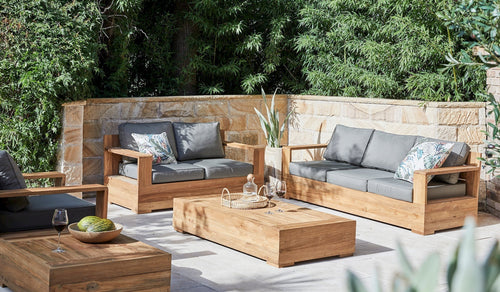
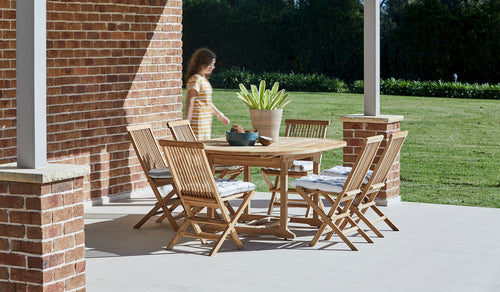
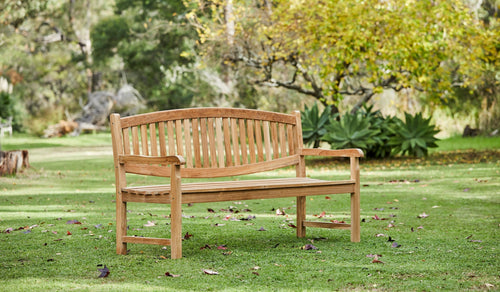
Teak is one of the most weather-hardy timbers. Naturally rich in oils, it resists water absorption, insect damage, and decay. Teak furniture ages beautifully, developing a graceful silver hue rather than splitting or rotting.
Aluminium
Powder-coated aluminium is another standout. Lightweight, rust-proof, and sleek, it’s ideal for coastal environments. Explore aluminium outdoor lounges to see how this modern material blends strength with refined design.
UV-stabilised fabrics and Wicker
UV-stabilised fabrics—like solution-dyed acrylic—hold their colour and resist mildew, even under full sun. And for those who love texture, marine-grade wicker offers a weather-resistant alternative to natural cane, woven to withstand both heat and moisture. Browse our wicker outdoor furniture to find durable designs made for Australian backyards.
For more details on choosing long-lasting, pest-resistant furniture options, see our outdoor furniture care guide.
Regular Cleaning & Maintenance Routines
Regular maintenance is the easiest way to extend the life of your furniture, and it doesn’t need to be time-consuming.
- Weekly: Start with a quick dust-off using a soft cloth or broom. Remove leaves, bird droppings, and debris before they stain or attract mould.
- Bi-monthly: Give your furniture a gentle wash with warm water and mild, pH-neutral soap. Use a soft brush or sponge, rinse with clean water, and dry thoroughly. Avoid abrasive cleaners, and never use high-pressure hoses, which can damage finishes and seams.
- Annually: Treat your furniture to a deep clean. Use specialist cleaning products suitable for your material type. For teak, a simple teak protectant will restore its natural sheen. For aluminium or powder-coated finishes, a wax-based protector can reduce surface wear and prevent oxidation. If you’re unsure which products to use, our outdoor furniture care guide offers step-by-step advice for each material, including how to protect metal outdoor furniture, wood, wicker, and other variants.
- Where needed: Cushions and fabrics should be vacuumed regularly and spot-cleaned as needed. Where possible, unzip and wash covers according to the manufacturer's guidelines.
Protective Gear: Covers, Umbrellas & Shade Structures
Think of protective accessories as your furniture’s best defence against sudden weather changes. They're not just practical; they can be stylish additions to your outdoor setting.
- Fitted furniture covers are great for off-season or storm protection. Look for breathable, water-resistant options that fit snugly but allow for airflow to prevent mildew.
- Weather-rated umbrellas provide shade from intense sun, reducing UV exposure on cushions and frames. Choose models with vented canopies and heavy-duty bases for wind stability.
- Pergolas and retractable awnings add year-round shelter, offering sun and rain protection for furniture. These structural additions can transform a patio from exposed to elegant while protecting your investment.
- Use covers during extended periods of non-use, overnight during storm forecasts, or when pollen and debris levels are high. During summer, shade umbrellas are especially useful in the middle of the day.
To explore our range of smart protective solutions, visit our patio shade and accessories collection.
Seasonal Storage and Care
As the seasons change, your approach to furniture care should evolve with them. Learning how to protect outdoor furniture from rain—especially during cooler months or prolonged wet weather—can prevent unnecessary wear and help avoid costly repairs down the line.
Storage
Start by moving lightweight or foldable pieces into a shed, garage, or sheltered area whenever possible. If outdoor storage is your only option, elevate furniture using risers or pallets to prevent water from pooling underneath and seeping into legs or joints.
Care
Before storing, thoroughly clean and dry every surface. Apply a protective timber oil or sealant (especially on teak or eucalyptus) to help shield wood from moisture damage. Cushions should be completely dry and stored in breathable storage bags or waterproof bins to prevent mould and mildew.
Come spring, a light clean, surface inspection, and cushion refresh is usually all that’s needed to get your setting guest-ready. By syncing your routine with the seasons, your furniture will remain in excellent condition for years to come.
When to Refinish, Repair, or Replace
Even with meticulous care, outdoor furniture eventually shows signs of wear. Knowing when to refinish or replace is part of responsible ownership.
- Fading or greying timber? Sand lightly and apply teak protector or hardwood oil to revive its natural warmth.
- Rust specks or paint flaking on metal? Clean the area, sand down rough patches, and repaint with an outdoor-grade finish.
- Loose wicker or sagging cushions? Replacement cushion covers or re-wrapping specific areas can bring your set back to life.
However, if the frame is cracked, warped, or no longer structurally sound, it may be time to explore a new setting. Visit one of our showrooms for expert advice, or consult our furniture care and repair resources for practical solutions.
Make Protection Part of Your Outdoor Living Lifestyle
Caring for your outdoor furniture shouldn’t feel like a chore. It’s simply part of enjoying the lifestyle it supports. A few intentional habits will keep your space looking elegant and performing beautifully, no matter the season. From choosing the right materials to creating a cleaning rhythm, protection is an ongoing commitment that pays dividends in comfort, beauty, and longevity.
Explore our range of weather-ready collections crafted for the Australian climate. Your outdoor space deserves furniture that stands the test of time (and the elements).