Top Outdoor Furniture Trends for 2026
Key Takeaways
- Outdoor spaces are increasingly being designed as personal retreats, with homeowners prioritising comfort, relaxation, and wellbeing over traditional dining-focused layouts.
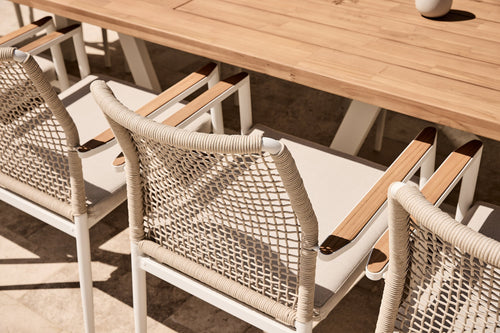
- Natural materials are making a strong comeback, as teak, rope, wicker, and handcrafted finishes replace the cooler grey aesthetics that have dominated outdoor furniture design in recent years.
- Flexible, space-conscious furniture is becoming essential, driven by smaller block sizes, higher-density living, and the growing popularity of apartment balconies and compact courtyards.
- Warm, earthy colour palettes are replacing cool neutrals, with tones such as sand, terracotta, olive, bone, and honey-toned timber creating a more inviting outdoor environment.
- Curved silhouettes and organic forms are defining contemporary outdoor furniture, bringing a softer, more welcoming feel that complements both modern and coastal-inspired homes.
- If seating is top of mind, our guide to choosing the right outdoor bench covers everything from materials to comfort.
Introduction
The biggest outdoor furniture trends for 2026 aren't about chasing the latest look. They're being shaped by the way Australians are choosing to live outdoors, from smaller block sizes and apartment living to a growing focus on comfort, wellness, and creating spaces that feel like a natural extension of the home.
This year's defining trends include wellness-inspired retreats, natural textures, modular furniture, warm earthy palettes, and soft sculptural silhouettes. Rather than short-lived design fads, these shifts reflect a broader move towards outdoor spaces that are more functional, more inviting, and better suited to modern Australian lifestyles.
Whether you're furnishing a compact balcony, a family patio, or a large backyard entertaining area, these trends offer practical inspiration for creating an outdoor space that's both stylish and built to last.
Trend 1 — Wellness-Led Outdoor Sanctuaries
Outdoor spaces are being designed less as formal, high-capacity entertaining zones and more as private, personal retreats. The driver is a growing wellness-at-home movement that has pushed Australians to think about their backyards the way they think about day spas or indoor living rooms—as dedicated spaces to decompress and recharge.
In practice, this means a shift toward low-profile outdoor lounges with exceptionally deep, soft seating, alongside dedicated relaxation pieces like daybeds and sunlounges. While the previous decade focused heavily on structured layouts optimized for large social gatherings, the new priority is everyday, solitary comfort. The goal is to create an intimate sanctuary where you can sit comfortably on a quiet morning with a coffee and a book, supported by softer edges and deeper cushions.
Trend 2 — Natural Textures and Biophilic Design
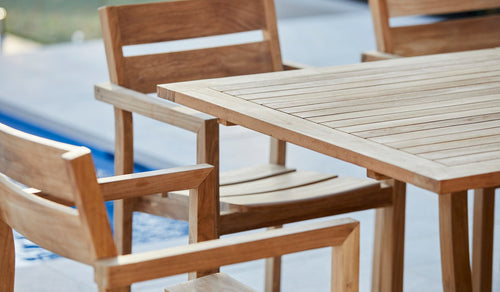
Cold greys and brushed metal dominated outdoor furniture for the better part of a decade. That's reversing. Australians are buying into biophilic design—bringing nature into living spaces—and outdoor furniture is following suit with warmer, tactile materials. High-end rope, UV-stabilised synthetic rattan, and reclaimed teak are the three materials leading this shift. Each one delivers an organic texture while offering genuine weather resistance. The reclaimed teak in particular speaks to the sustainability scrutiny that's now part of most outdoor furniture decisions. The look is warmer, the materials feel more intentional, and the pieces are built to last in open air.
Trend 3 — Intelligent Space Optimization
As Australian residential footprints compact, outdoor furniture is shifting away from bulky, static sets toward smart modularity. The challenge of the modern courtyard or balcony is versatility. Designers are responding with lightweight, low-profile modular lounge segments that can be divided or repositioned seamlessly depending on the crowd. Alongside this, dual-purpose furniture—such as coffee tables that lift to dining heights and bench seating with hidden, weather-tight storage—ensures that limited footprints remain highly functional. It is no longer about buying smaller furniture, but buying furniture that works twice as hard.
Trend 4 — Warm, Earthy Colour Palettes
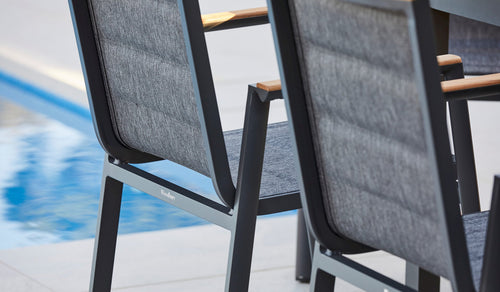
The grey era is winding down. Grounded, lived-in tones like terracotta, deep olive, and warm honey timbers are replacing the cold charcoals and pale greys that dominated the late 2010s. This shift mirrors indoor interior design, creating a seamless visual flow from the living room to the backyard. To anchor this look, Australians are investing in foundational timber pieces—like teak or eucalyptus tables—which naturally bring golden, honey-toned warmth to the space. For lighter tones like bone and sand, the trend relies on high-performance, stain-resistant fabrics that withstand the Australian climate without showing dirt. Earthy accent pieces, from olive cushions to terracotta umbrellas, then layer over the top to complete a rich, organic sanctuary.
Trend 5 — Curved, Sculptural Silhouettes
Outdoor furniture is shedding its sharp, industrial edges. Rounded arms, curved backs, and organic forms are replacing the rigid, strictly rectangular box-lounges of the last decade to create a more welcoming, fluid environment. These sculptural silhouettes act as perfect visual anchors. They bring soft, resort-style luxury to Mediterranean and Coastal Minimalist homes, and beautifully offset the sharp, linear architecture of modern Australian designs. Whether it is a statement synthetic-weave lounge framing a courtyard or a single curved accent chair tucked into a quiet corner, these organic shapes soften the transition between built structures and the natural landscape.
Frequently Asked Questions
What is the biggest outdoor furniture trend for 2026?
The defining shift is the transition toward wellness-led outdoor sanctuaries. While the previous decade focused heavily on large-scale entertaining settings and structured modular lounges for hosting parties, 2026 is all about personal rejuvenation. We are seeing a surge in deep-set, ultra-plush lounges, daybeds, and secluded retreat zones engineered for unhurried, everyday use. The modern backyard is no longer just a venue for occasional weekend gatherings; it is a daily extension of personal well-being.
Is teak outdoor furniture still on trend for 2026?
Absolutely. Teak remains the gold standard for outdoor furniture, but its appeal is intensifying in 2026 due to the shift toward biophilic design. As homeowners move away from sterile greys, the rich, honey-toned warmth of premium teak provides the perfect organic anchor for outdoor spaces. Furthermore, the rising demand for reclaimed teak directly aligns with modern sustainability priorities, offering unmatched longevity and a storied character that beautifully adapts to the elements over time.
What outdoor furniture colours are trending in 2026?
Warm, earthy palettes are leading the way. Grounded tones like terracotta, deep olive, and warm honey timbers are replacing the sterile charcoals and pale greys of the last decade. For lighter hues like bone and sand, the trend utilizes textured powder-coated frames or premium, stain-resistant performance fabrics. These organic tones layer perfectly with weather-hardy elements like reclaimed teak, marine-grade rope, and synthetic wicker, creating a unified, resort-style aesthetic.
Bring 2026's Best Designs Home with Woodbury
Woodbury is an Australian family business with Sydney showrooms in Castle Hill and Caringbah, and decades of experience crafting outdoor furniture built to last beyond the trend cycle. See the latest pieces in outdoor new arrivals and the wider exterior range, with nationwide shipping and a 30-day satisfaction guarantee.